Liam here 👋
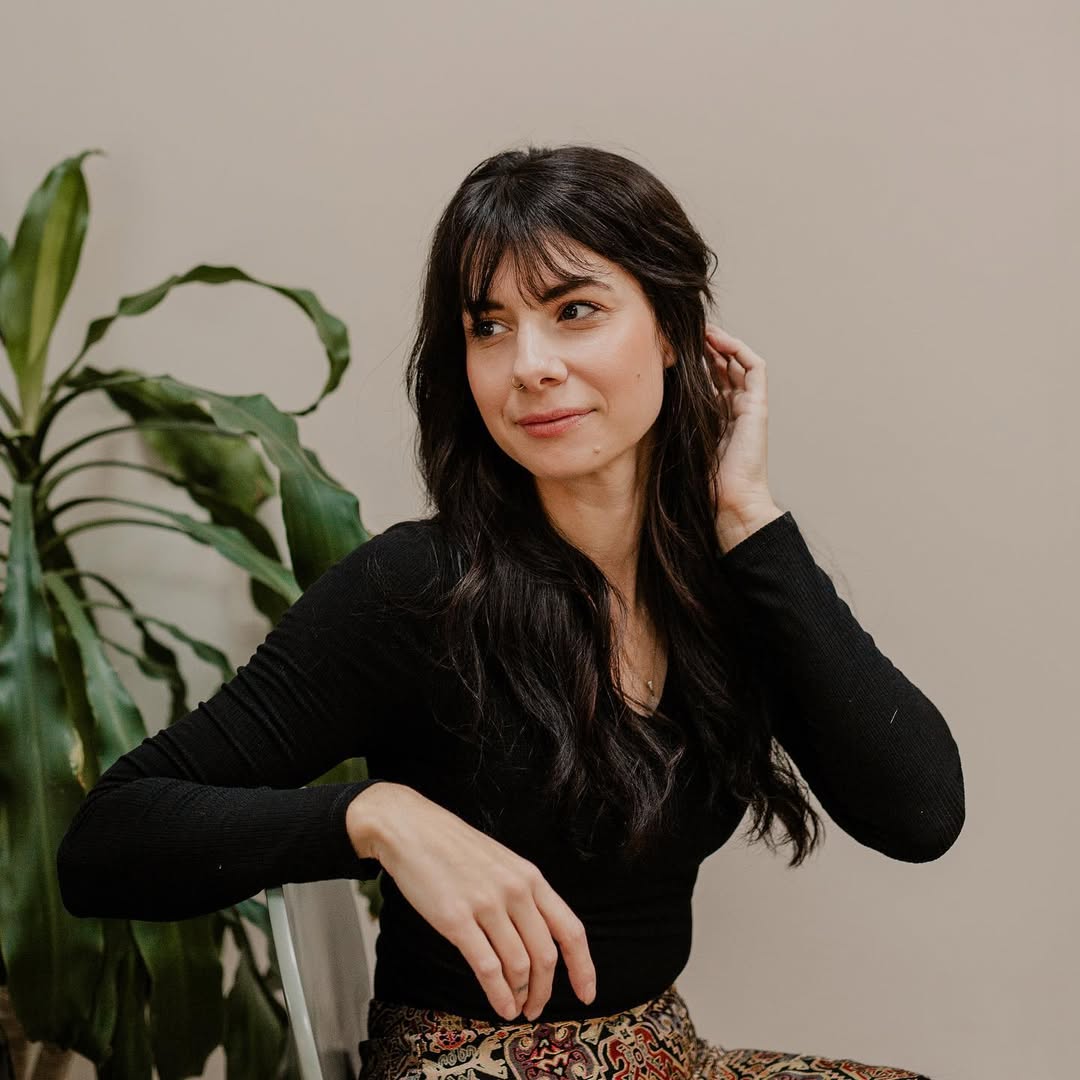
I got to sit down (virtually) with one of our longtime salonMonster stylists, Kara Field from Moose Jaw, Saskatchewan, and it honestly felt less like an “interview” and more like catching up with a friend who quietly built the exact kind of independent hair business so many stylists dream about. Kara runs this gorgeous studio attached to her home — not a basement setup, a real, intentional, “this-is-a-professional-space” studio — and she’s been doing it her way for eight years. And she’s been using salonMonster for eight years too, which made me extra proud.
What I loved most is how dialed-in her client journey is. She talked about how, when she first went independent, she was totally over the “Do you have Tuesday at 12?” text chains (you know the ones 😅). So she built boundaries right into her process. New guests fill out a Google form first, she reviews it, and then she sends them to her salonMonster booking link with the exact service they should choose. That way she knows who’s new, what they’re expecting, and she’s not surprised when a “trim” turns into a color correction. It’s smart, calm, grown-up hairdressing.
What really hit me was when she said: “We set the bar for how clients treat us — and a lot of us set it on the floor.” Oof. That’s so real. She’s not being harsh, she’s just reminding us that giving out our personal number, answering DMs at 11pm, letting people skip policies — that’s us teaching them what’s okay. Her version is: “I work from home, but this is still my career.” I loved that.
And then we got into her service menu, which is such a good example of how independents can evolve. Kara isn’t just doing “haircut + toner.” She’s layering in healing services, seasonal offerings, even a hydrating haircut with steam therapy and an eye mask — and her clients are booking it because she took the time to describe how it feels, not just what she does. She even admitted she uses AI to help write her service descriptions (same, Kara, same), but she still makes sure it sounds human. That’s the sweet spot.
Another thing I loved: Kara’s big on repairing the cut/color if the client isn’t 100% happy. She literally tells people, “Just message me within seven days and we’ll tweak it — no shame.” That kind of openness actually prevents bad reviews and creates loyalty. It’s the opposite of defensiveness; it’s leadership behind the chair.
We also talked about the bigger industry shift she’s seeing in her town — way more chair-rent studios than commission salons — and how that’s great for freedom but not always great for brand-new stylists who still need mentorship. She’s lived every version of this industry: commission in Calgary, chair rent, owning a space, then finally landing on an independent studio that actually supports her life (across the street from the library, no less — goals). Hearing that arc from her made the conversation feel like a permission slip for other stylists to build something slower, more intentional, and more client-centered.
If you’re an independent (or thinking about it), this convo is full of little systems you can copy tomorrow — intake forms, policy agreements, service upgrades, even how to ask for Google reviews without feeling weird. And because it was Kara, it wasn’t preachy. It was just: here’s what’s working, take what you need.
Watch the full interview if you want to hear her talk about client consultations, silent appointments, education, and how she keeps her business inspired year after year. It’s the kind of chat that reminds you: you really can run a calm, profitable, personal salon on your own terms.
You can find Tara at:
https://www.instagram.com/karapaintshair/?hl=en
Transcript
Liam Shea (00:00)
That’s all this is gonna be. I am going to introduce you. Welcome. This is Kara Field. Kara, just tell us a teeny bit about yourself and then we’ll chat.
Kara Field (00:02)
Bye.
Hi Liam, so I am a hairdresser out of Moose Jaw, Saskatchewan. I have a suite in my home where it’s actually built on to the back end of my home and I’ve been working out of here for about eight years which is pretty much half of my career as a hairdresser. I’ve been an independent stylist on my own so and I’ve actually been using salon monster for about eight years as well so when I went out on my own
and had this suite I knew that I needed to have the boundaries and that level of separation between, and I was just getting sick of the texting, do you have Tuesday at 12 available? No, but I have three, does that work for you? No, does Monday work? That was getting to me. The blurred lines between the client communication and.
And I think, you know, we really like set the bar with how we want clients to treat us. So usually the bar is set like on the floor because we’ll take anything to get clients to come in that will give up our personal phone numbers and our time with our families just to like get those appointments booked in. But it’s so much a part of just like my intake process now. I have a Google form.
that new clients fill out and then once I receive their response, I look it over and then I send them an email with the booking link, but also based off of the information they gave me, I have a new client service category on my Salon Monster booking. So from what they’ve told me, I just guide them to book one of those new client appointments. That way when I see that name on my books, I know that that is a new client appointment and just to…
get myself ready for that. that’s something new that I’ve actually added in the past year. Just with the amount of people that I see, or sometimes, you know, I’ve maybe done somebody’s hair twice. And I think just over the years, I don’t know, like, the amount of names that I’ve had to get to know and stuff like that, that just having that, like, new client, I know, like, okay, I’ve never met this person before. Sometimes if I feel like the name is familiar, I’ll go into their
and then just bring down that little tab there that shows their, if they’ve ever had an appointment and it’s like, okay, I have seen them one time already and this is what we did. So sometimes like actually quite often I use that just to refresh my memory before the appointment or, you know, just little notes about the client, you know, that’s really helped me just to stay more like on top of.
Liam Shea (02:57)
Yeah.
Kara Field (03:03)
everything because I feel like it can get overwhelming like running your own business and trying to you know play all the parts and do all the roles that Saw Monster is like my front desk you know I guess like it kind of filters everything for me and I’m prepared and ready and my clients really like it they say it’s so easy to use and like I always ask how was your booking process like when I have a new client
Liam Shea (03:11)
Absolutely.
Kara Field (03:33)
comes in and it’s usually just like, no problems. They love their reminders and I love their reminders. So I don’t have to worry about them forgetting their appointments. just like doesn’t really happen anymore. And if it does happen, it is like something crazy came up that shifted their world that morning or whatever. yeah.
Liam Shea (03:37)
That’s so great. Yeah.
Totally. Yeah.
I love your intake process. I don’t know if you know this, I should have sent you a message ages ago when I left the chair rental studio I was at and went into a one room space myself at the beginning of COVID. But I basically lifted your intake process like your Google form. you go to my website, you’ll see a like new client and a returning client.
Kara Field (04:16)
You did,
Liam Shea (04:21)
I was like, that Google form is amazing. I adjusted stuff
for me, but it’s so great to have some information from people beforehand to have a sense of who they are, what they want, what they don’t want, what they haven’t liked in the past. I just love that process.
Kara Field (04:31)
Yeah.
Yeah, no, and I love that you
felt that that was something that a tool that you could use. Like I am in no way like, ⁓ like you stole my idea. Like I’m just like not like that. It’s like, I know what it’s like to have not a clue. And I think as hairdressers, we have gotten to the space where it’s like, we’re sharing information and this works for me. Like maybe it’ll work for you and we’re like inspiring each other. So like, if you’re doing an intake form and you’re using
Liam Shea (05:00)
Mm-hmm.
Kara Field (05:08)
you know, my intake form as like a guideline, shifting a few things that like work for your specific business. But I’m able to see in my intake form if that new client is interested in some of the healing offerings that I have. So, you know, maybe they’re looking to book a haircut and they’re also interested in Reiki. So then what I’m going to suggest to them when they book is that they book the healing haircut, which has those things. So I feel like it helps to see where my client’s at too, coming in.
And yeah, even just to add that into, maybe they just booked a haircut, but that’s something that we can talk about if they’ve ever had it before. It just helps to open up communication when you know a little bit. I also find that it helps to, like, it kind of filters out the people that aren’t really serious about booking, that are, like, they don’t ghost you really once they, once you send that link back.
And if you know if they do it’s because maybe like they looked at the prices and it’s just out of their budget and that’s fine That’s totally fine But it puts it puts the ball in their court So they have all the information like having a website. I think has been that well, that’s been huge for me And then through that website The new client tab directs them to the booking link or to that. Sorry to the form and then returning clients
If they’re on my website, there is a book now which takes them right to the Salon Monster booking page because they’ve been through that process. I don’t really have clients that bypass the booking process or that initial form booking process because in that form I also have my policies. So it’s sure that they’ve read and agreed to cancellation policy, the late policy.
Liam Shea (06:41)
Yep, exactly.
Absolutely.
Kara Field (07:05)
and the no show policy. Yeah, yeah.
Liam Shea (07:07)
agreeing to the cancellation policy is everything to me. Like once somebody’s
seen it, I don’t know about you, but I’ve certainly tweaked mine over the years. I require an hour or so I require 24 hours notice for every one hour length of appointment time in my cancellation policy. So like I want if it’s three hours, I want three days. And and having people say yes to that really removes the I didn’t know. Well, I mean, you accepted it.
Kara Field (07:16)
Okay.
⁓ yeah.
Yeah.
Liam Shea (07:37)
And I find having that structure upfront, makes it easier to build a good relationship with people.
Kara Field (07:37)
Yeah.
For sure, and just to kind of, you’re setting the bar, right? Like this is, it’s not like, yes, I work out of my home, but this is my career. I take it very seriously. I like to have the divide between my work and my home life. So sometimes people think that, yeah, when you’re working out of your home, it’s just like not as serious. But I think people come into this space too and they’re like, wow, like this is beautiful. But another thing too with that,
Liam Shea (08:04)
Mm-hmm.
Kara Field (08:14)
that intake form is putting a service adjustment on there as well. I like, do not take offense at all if a client is unhappy or is like needs a little tweak. take it, they take their haircut home, they’re styling it. Maybe, you know, they need a few more layers or they want their bangs a little bit shorter. I want clients to know that they are totally like allowed to reach out to me and say, Hey,
Can we take it a little bit shorter? Anything, like I, or, you know, can we shift the tone a little bit? I want clients to know that I’d rather have them love their hair than give me a bad review or feel like they don’t know how to say it. Because I just kind of say like, if you’re not happy within seven days of receiving your appointment, just reach out and we’ll correct it with no added charge unless we decide to take it in a different direction.
Liam Shea (08:48)
Mm
Absolutely. Absolutely. If you want something completely different, that’s another service.
Kara Field (09:14)
So, yeah. Like they think
if they go home and they’re like, my husband doesn’t like it dark and get a new husband. No. Yeah. But little things like, yeah, like that. feel I’ve learned as I go, I find with a lot of things or I’ll put it out there and just.
Liam Shea (09:24)
Yeah, that’s or have them come to the consultation, which would be weird, but you know, whatever. I’ve had that happen.
Kara Field (09:43)
with no real attachment to like, this has to work the way that I’ve like set it out to be because I’ve invested this time. Like sometimes I’ll create offerings and they flop or nobody books them. But then I’ll create an offering and like this one, a new one that I’ve added to my offerings is the hydrating haircut. So it’s a steam therapy with my seasonal moisture treatment.
like a nice warming eye mask and a haircut. And it’s an upgrade from a regular haircut and the price point is about $25 different, but I’ve had four this week. like sometimes it’s like, and the right wording in your, like in your service descriptions, which I will, I will give you my secret here. I use AI. I use AI to help like,
Liam Shea (10:37)
Yeah, well why not? Yes!
Kara Field (10:41)
I’ll have an idea, but it’s like, how can I say this better? Or how can I condense my, you know, rambling idea of how I want to explain this? I never want it to sound like so robotic and take like the humanness out of it, but it’s, I just use it to like expand on this service or help me describe the service that I offer this, this and this. makes them feel.
Liam Shea (10:45)
Hmm.
yes.
Kara Field (11:09)
this, this, and this. And then it just like condenses it into a perfect little description. Sometimes I tweak it a little bit, but that was something I’ve done this year. I’ve gone through my services and just upgraded descriptions and stuff like that, especially with my seasonal offerings and the things that are a little bit different. Instead of just saying point blank, like haircut, reiki, card reading. It’s like, sure that service includes that.
Liam Shea (11:12)
Absolutely.
Kara Field (11:38)
but I want to expand on that and like what they’ll expect, how they’re going to feel at the end of their service. Because I think too, it’s like, it’s not just selling and like marketing the service, it’s how we make people feel and how they’ll feel at the end of it. So with a lot of the treatments and healing things that I do, I’m very focused on the outcome and not just the steps that I’m doing to provide that, that often.
Liam Shea (11:53)
Yes. Yes.
Yeah, that’s what they want to know.
Kara Field (12:09)
Yeah.
Liam Shea (12:09)
How will I, I I say to most of my customers, I’m not concerned with what I get to do when I’m performing a service on you. I’m concerned with how you feel when we’re done that service. You know, I don’t need to be a platform artist expressing myself on your head. I’m happy to do it, but that’s not what I’m here for. I’m here to make sure you leave feeling better than when you came here or feeling something specific.
I love the descriptions and that’s what AI is for. That’s the great thing about AI. And then you can tweak it. You can tell it actually make it a bit more of this or remove 20 % from it or it’s great. Good for you.
Kara Field (12:46)
Yeah, yeah, and a lot
like, yeah, honestly, like AI is a really great tool. It’s not meant to like replace me and my humanness in crafting these offerings. It’s to help, and like I love writing, like I’ve always loved writing, like writing poetry, writing stories, stuff like that. But sometimes when it comes to my business and my family and all the other things I’ve got going on, it’s like, I wanna say this.
but I’ve got like nothing to work with. Like my brain is just like burnt out. So I feel like using AI as a tool, not a replacement for anything, but just a tool and learning how to use it properly is such a game changer when it comes to making things easier. Yeah, I haven’t tried that, but yeah, yourself.
Liam Shea (13:22)
yeah.
Yeah.
It’s great for a bio. It’s great because it’s so hard to write about yourself. Like why? I
don’t know. I’m mostly disappointed. Yeah. Well, either pretentious or just like you sound like a depressing person. Yeah. Mostly I don’t like myself and I’m disappointed with most of what I do. And like, that’s not a bio. That’s not what anybody. Yeah. So I find it can help. You can even sort of input just basic information about yourself.
Kara Field (13:44)
Without sounding pretentious.
You
Liam Shea (14:03)
Here’s how long I’ve been doing it. Here’s what I do. Here’s my website. Go look at it. Here’s my Instagram account. Go look at that. Then describe me. It can be a bit weird at times, but.
Kara Field (14:09)
Yeah.
Yeah, know. But that’s where you can go in and it’s like, proofread it or like, go in and just change it so it sounds more like you. But it’s kind of like, you remember like Mad Libs a bit? It’s like you’ve got like the structure of something, but you can go in and change the adjectives to verbs.
Liam Shea (14:28)
Yeah, absolutely.
Yeah.
Kara Field (14:37)
but using it as a tool and not always just like copy and pasting it and be like, that’s good. Sometimes when I’m stuck for captions for social media or just ideas on what to post, I’ll be like, give me 20, like 20 reasons why somebody would come get their hair done. Or like just to open my mind up to, okay, I got something to work off of here. Or reasons why.
Liam Shea (15:00)
Yeah. Yes.
Kara Field (15:06)
people find a traditional salon setting over stimulating. Because like I know reasons why, but I know reasons why from like a service provider’s point of view, I haven’t been like a proper client in ages. I do my own hair. So it’s like, I need to understand that perspective. I also ask clients too who come to me who are looking for something different. So I will ask too, like what was about that setting, but.
If I’m just trying to batch some captions or get my brain thinking, AI? Yeah.
Liam Shea (15:39)
⁓ I hate patching captions. It can be amazing for that telling it to
give you like a social 30 day social media strategy and then input.
Kara Field (15:48)
Yeah, yeah, you don’t have to follow
it completely, but just like, just helps you to simplify things and just get your get your brain working.
Liam Shea (15:53)
yeah.
Yes.
yeah, it’s much better than a blank white page or a spreadsheet that’s empty. Where you’re like, I don’t think I can start this. I don’t really know. I could add the days in. That would be the end of what I would want to do on the spreadsheet and then I’d go to bed. Yeah.
Kara Field (16:03)
⁓ yeah. Yeah.
media, it’s a funny, lots of us have funny relationships with it. It’s like, when we’re posting, we can post, you know, every day because we’re inspired and then we’ll go a bit where it’s like, not really feeling inspired.
or you feel the drain of it and I’ve never done well with like a structured social media plan that’s just like, some people like really need that, but I feel limited by it. Cause I feel like I produce my best stuff or stuff that feels good to me. I’m not even out for like likes or getting Insta famous or anything like that. It’s like stuff that feels good to me or like it’s trying to reach a specific audience.
Liam Shea (16:52)
Yeah. Yep.
Kara Field (16:58)
comes from when I feel inspired and not when I’m just trying to just get a post, just post, just a post. So I’ve posted, you know, three times this week. That’s when it starts to feel not good for me. And I think too, just like chasing likes is very dangerous. It’s hard in our industry.
Liam Shea (17:19)
And not,
it’s not even valued by algorithms the way it once was either. I mean, I saw an interview with the CEO of Instagram and he was talking about the place that media is shared the most, like what, you know, is it reels, is it posts? And he said, the place where media is shared the most is in DMs. So they spent all their time focusing on DMs. So they actually, it promotes people that
Kara Field (17:24)
No.
Mmm.
Liam Shea (17:48)
have a lot of DMs with other people, like communicating within those DMs, it’s so bizarre. But yeah, I can’t force myself to do posts. I took a one year hiatus from putting posts on my personal account, because I still did stories and things like that. But actual posts, there’s like a 14 month gap between posts at one point. I find a lot of the time it’s great for…
Kara Field (17:51)
Yeah.
Mm-hmm.
Yeah.
Yeah.
Liam Shea (18:13)
reinforcing stuff about you. if somebody’s found you through Google, or they’ve been recommended by you, or they read about you somewhere, they can go there and sort of, here’s what your work looks like. This sort of helps to build the story that they’re looking to find to see if you’re a good fit for them. Yeah.
Kara Field (18:29)
Yeah. Yeah.
Well, it’s actually really interesting. Like this summer, I think I’d gone like a month without posting, but I was still receiving lots of those forms coming in. So it’s like Google has helped me asking for asking for reviews has been huge and and a nice way to like as a hairdresser to to see how you like how other people view the experience because I think it’s hard sometimes to put value in what
Liam Shea (18:42)
Yes.
Kara Field (18:59)
and what you’re offering because maybe it comes like natural or it’s just like, you know, part of your everyday, but to actually see the difference that you make in people’s lives and how you make them feel safe or, you know, how special coming to you really is for them. And I think too people, like if you just, people don’t know necessarily how important reviews are until you tell them. And I find clients who are usually more than happy to.
to help me out if I just say like, you know, I’m working on building up some reviews for this year. If you could hop on there and just say a few words about your experience. And then I’m always blown away by what they say too. I’m like, my gosh, ever I’m feeling bad about myself, I just go and read my reviews. Cause they just, they bring me so much joy knowing that what I do matters. And yeah, like it’s awesome.
Liam Shea (19:53)
That it has a lot of
weight. You know, it’s one thing to write an Instagram post about yourself and what you do for people versus someone writing two amazing paragraphs about what it was for you. And when people see those through Google or Google maps or wherever it is that they’re seeing it, you know, they know that that’s not you posting that they know that’s a real person that actually took the time to say this. I think it means a lot and Google.
Kara Field (20:03)
Right.
Mm-hmm. you can say
you’re amazing all you want, but somebody needs to hear it. A new client who’s feeling maybe a bit vulnerable or nervous or scared of going to see somebody new, they want to what, or read about what other people’s experiences have been. yeah. That self-promotion, feel like, only goes so far.
And I feel like in self-promotion, you can kind of show a bit more of your quirkiness or your personality. And I think that I’ve started to do that and pull more away from feeling like I need it to like be super professional all the time. Because when people come in, I’m not like, I’m just me. I’m not this, I’m not somebody that I’m like pretending to be, I guess, online. So.
when they can see little bits of your personality through your posts. You can have serious posts in there, but I think sometimes we think it has to be all professional online, but then people meet us in real life and it’s like, you’re actually kind of silly, right? So I think it’s,
Liam Shea (21:26)
Yeah. I think it makes them feel safe too. think salons,
even personal studios can be very intimidating places to go into when you’ve never been in. And if you come across as fun in some kind of a way, it’s a little less intimidating than all business. Yeah. When, so did you start at a commission salon? Did you say you did eight years?
Kara Field (21:36)
Yeah.
Hmm. Yeah, for sure.
Yeah, so let’s see. took, I finished hair school in 2007. It was right, I graduated high school in 2006, went to hair school in 2000, fall of 2006 in Moose Jaw here. And the hair school’s no longer, it’s no longer open. I, yeah, well there is one, but in town now, but it’s new and it’s not the one that I went to. Which my experience in hair school like,
Liam Shea (22:09)
Yeah, as many of them are.
Kara Field (22:18)
wasn’t so great. I almost quit halfway through. I felt very lost in it all and felt like I wasn’t getting the support. So after I finished hair school, I wanted to leave my hometown as most people do when they come from small towns. So I moved to Calgary and I worked in a commission salon in downtown Calgary for, it was about like a year and a half.
You know, I’m 19 and went into the industry at a time where it was like people were not helping or sharing or it was like you’re on the floor, you’re on your own, I’m busy, don’t ask me questions. I also, like the owner, I had to do like haircuts only for, I feel like it was like almost a year, which I mean, can kind of understand what she was doing now, but.
Liam Shea (22:55)
Mm-hmm.
Kara Field (23:13)
as a brand new stylist who’s coming out of hair school and is like passionate, like you are so passionate when you come out of, you can’t wait to get your hands in hair and just like start creating and really get a chance to learn. And I just felt very defeated because I wanted to do colour and I wanted to learn and I just wasn’t getting that opportunity. and I- Exactly.
Liam Shea (23:22)
Yeah.
Well, how were you going to learn? How were you going to
get to the point that you were better at doing color if you weren’t doing color? Like, that’s not
Kara Field (23:43)
Yeah, yeah.
And the salon didn’t offer any like in-salon classes. know, hair shows were big at the time. So going to like ABA and, ⁓ Cosmo Prof used to put on kind of like one day, like float around, usually in like a hotel and you’d float around to different conference rooms. Like I love classes. That’s when I started falling in love with education, when I was starting to seek it out myself.
because I was like, well, nobody’s coming to help me, which is life too, right? Like I’ve got to help myself. So I, yeah, I started to, you know, do hair shows and stuff like that. But then I kind of just like hit a wall in my career in Calgary where I felt really defeated. I wasn’t making a whole lot of money. And it was like paycheck to paycheck eating like ramen noodles. Like it was bad.
Liam Shea (24:39)
Yeah.
Kara Field (24:41)
But I could still pay for my Faby Tan membership at the time when tanning was terrible, absolutely terrible. But yeah, so it was a struggle. So then I actually quit doing hair and I worked for an oil and gas company doing reception, hated it. Not an office person, most mind-numbing data entry, that was terrible. I lasted a couple months doing that and then I just worked, then I applied at HMB.
Liam Shea (24:46)
Right.
Mm-hmm.
Mm-hmm.
Kara Field (25:11)
and I love music. I worked at a music store when I was a teenager and got that job and then I just stuck it out there for like a year until I moved back to Moose Jaw. When I got back to Moose Jaw, I didn’t know what I was gonna do. Kind of still had that idea in the back of my mind like, you maybe I should get back into doing hair, maybe I should go back to school. I had just started waitressing at a local pub in town and then I got
Liam Shea (25:37)
Mm-hmm.
I was waiting for
you to say that part of the story. knew that would be a part of the story. That’s just a yeah, it’s just a like it pays money right away. It’s service.
Kara Field (25:42)
Wait, you’re saying? like, yeah, but I I
could have done that I could have done that in Calgary, but that that point I felt so like, disconnected from myself that music is something that I I love and I just like wanted to be back in that like music store world. So it wasn’t making more money. I was like a supervisor like key holder at HMV. But I was happy. And I was happy there.
until I left and came back home just because I was feeling like my time in Calgary was you know, kind of coming to an end and I was getting like homesick and I wanted to my grandma had recently moved to Moose Jaw so I wanted to be close to her so yeah, I moved back to Moose Jaw, started waitressing, got pregnant with my son and then I was like shit what am I gonna do? I don’t want to be a waitress for the rest of my life
Liam Shea (26:39)
Yeah. huh.
Kara Field (26:42)
So I was able to take a year maternity leave, did a lot of time to think, played with the idea of like going to university, because I was always kind of in my mind that I wanted to be a writer. That was like what I wanted to do. yeah, my mom just kind of brought it up again. She’s like, you know, you should really get back into doing hair. You’re such a good little hairdresser. People love you. Like you’re so good at it.
just try it, just try it again. What do you have to lose? You already have the education. So a girl I went to high school with, her and her mom had a salon, it was commissioned salon. was two doors down from my son’s daycare. So I applied, I got the job, and that was when, that was my reintroduction into the hair industry. And that was really good for me. It was a really great salon, great learning environment.
We were using a Labia Esthetic color at the time. So there was a lot of education coming into the salon. Through that, I was able to, I took my master colorist through them. I had an opportunity with Labia Esthetic to work at Saskatoon Fashion Week. I think that was in like 20, ⁓ gosh, 2014 or 2015.
Liam Shea (27:36)
Mm-hmm.
Kara Field (27:59)
Sat and Sas fashion week was so fun doing hair backstage. I was getting these like different experiences and I could just feel like was like my passion for hair was just like rising. And I actually had the opportunity to become a color educator for them, but it was like shortly after my daughter had been born. So I just, it just didn’t fit with the traveling and the expenses that would have come from that.
Liam Shea (28:02)
Awesome.
Yeah. No.
Kara Field (28:28)
So I didn’t take that route, but I feel like instead I’ve been able to create something really special here. But I went from being a commission stylist, then I did chair rent in a different studio in town here for about a year. Then I had the opportunity to take over that lease and open up a salon of my own. So I did that, but that was the year I was pregnant with my daughter. And I think it was one of those things that I kind of always thought I wanted.
I wanted a salon, wanted that. Maybe I wanted it for the wrong reasons too. And I knew that I liked helping other people and I liked being a mentor and just like being that person that I never had for style. So I liked that part, but I didn’t like the managing of people. you know, it was a chair rent salon, so you only have so much control over.
how your business is being represented. With people coming in late or whatever, but it all reflects on the business. Clients don’t care. They don’t care how this person is paying rent or if you’re paying them. They just look at the whole experience and it reflects on the salon. So when I was about to have my daughter, we started looking at homes that I could potentially work out of. And my only real…
like stipulation was like I didn’t want to work in a basement. I didn’t want a basement salon in my home. And then we found an old character home built in 1907 with this addition that was built on the back in 2002 that the previous owner was using for his photography business. We walked in here and this was the first room we saw in the house and you know the wall color was horrendous but like it like
Liam Shea (29:57)
Yeah.
wow.
amazing.
Kara Field (30:24)
Honestly, like it was perfect. It had plumbing because he had a little bar sink to wash his hands in and it had a bathroom that now we’ve like we’ve built a wall. So the wall is what I my colour bar on here. And then behind the wall, there’s a washroom, laundry room. But there’s a what used to be the back door of the house is the door into my kitchen dining room now. But like it’s completely separate. That actually used to be like the kitchen window.
Liam Shea (30:31)
That’s what it’s all about.
Nice.
Kara Field (30:54)
above the sink, which I can still open it if I want to, but I always like, just keep it closed or, but yeah, so it’s, kind of was a thing that just like was meant to be being the first and only house we looked at. And it’s really been such a supportive environment for my growth here. I’ve noticed on my own, I’ve been able to really craft the
Liam Shea (30:54)
yeah. Love it. Yeah. Yeah.
Yeah, it was.
Kara Field (31:23)
experience that I want as a hairdresser and for my clients. That’s been the thing that I’ve noticed. This space has evolved with me and my offerings and I wake up every day and I love coming to work because I love what I’m doing. I love that I have the freedom to create different services. Each day looks different and I feel like I’m really true to myself and what I want to offer.
Liam Shea (31:39)
amazing.
Kara Field (31:51)
I really feel like the space has been super nurturing for that too. So nothing wrong with commission salons. I think they’re great. I actually think there’s a downside happening. Maybe it’s more so just like locally that I’m noticing. Something that’s been happening is that there’s less commission salons and more chair rent salons. So we’re a city that has a hair school, but
no real commission salons other than like Chatters in the mall, First Choice, Tommy Guns. Like I think that’s it. Like every other salon is chair rent. And I don’t think that that is the best route to take straight out of hair school. Some do it and they’re super successful with it, but that’s not the case for everyone. Or you come into that environment and you think you’re gonna make all this money, but
Liam Shea (32:27)
Yeah.
Yes.
Kara Field (32:50)
Every year at tax time, I’m reminded like, you know, a lot goes out. A lot goes out, you know, ordering your color, bringing your products in. I don’t carry a lot of retail on hand. I keep my minimums quite small, two to three products or two to three quantities of each product, because I don’t want to sit on that, all that money or like.
Liam Shea (32:55)
Yeah.
Yeah.
It’s hard to have four
grand just sitting on a shelf for no particular reason. It’s really.
Kara Field (33:20)
Exactly. So I really only
bring in the products that I know that sell that aren’t going to sit there. But there’s, yeah, there’s just, there’s a lot to it. Taxes, a lot goes out and you really have to. Yeah.
Liam Shea (33:33)
there need to be the levels built in. So like you started
hair school and then you do a bit of an apprenticeship and then you move up a little bit and then you’ve built a clientele. There’s very few. So my my sweet mate here, Britt, who you might see in the background some of the time here, Britt got out of hair school little over a year ago and was doing haircuts out of her kitchen to begin with. And I told her to come here and cut my hair and I could tell right away.
Kara Field (33:38)
Yeah.
next
Liam Shea (34:03)
that she had that thing that most of us don’t at 19 coming out of hair school, which is being a hustler. It’s not like getting to that point where you’re fully booked isn’t for better or worse about being the best hairdresser. It’s about, you build that clientele? I just don’t think very many people come out of hair school with the skill or the understanding of how that works. And I think most people just need support.
I don’t think there’s enough commission salons that give the right support either, unfortunately, but did you have any, you know, we talk a lot here about mentors and mentorship and the importance of that. Did you have any mentors, would you say?
Kara Field (34:31)
Mm-hmm.
Right, yeah.
Thank
When I came back to Mushtaq and I was working at that commission salon, we all worked really good together and supported one another. And it was my first experience of having, maybe working with someone who has a lot of hair and the stylist across the mirror from you isn’t doing anything or just finished up and is like, let me grab my blow dryer and let me help you. Or they come and help you apply.
Liam Shea (35:10)
Yeah, love that.
Kara Field (35:17)
your root color, little things like that. We were helping each other in a lot of ways. And that gave me that real sense of a team and connection with the other stylists. Yeah, like we all just like worked really good together and we were all there for each other. And that was a really good environment. And then I’d say to like when I was doing all the libya aesthetic stuff, had like that whole team.
Liam Shea (35:38)
Yeah.
Kara Field (35:45)
of educators was really great and really supportive. But I also feel like once you stop using the, once you stop using the line, the, can, it’s like that relationship kind of like only goes, it’s like only there because you’re using the product. So that’s tricky. I wouldn’t say that, like I didn’t have like a proper apprenticeship because the owner of the salon that I was first at, like,
didn’t even talk to me. So yeah, just I didn’t really have that. But as I’ve seen the industry evolve over the past few years and education starting to come up and taking or doing the Thrivers Society business mentorship, I have a different coach now who is more so for marketing and different like
Liam Shea (36:36)
Yes.
Kara Field (36:44)
ideas and stuff behind the chair. It was kind of where I got the idea to do like seasonal offerings and that’s been really good. So sometimes I just need to be like inspired and then I can take that idea and run with it. But I think having a community and an online community, especially now like, cause it’s available to us is huge. Yeah. So being a part of an online community or where you have like a coach that,
Liam Shea (37:04)
Pretty. It’s pretty amazing. Yeah.
Kara Field (37:13)
is coaching to like a group and you have a Facebook group, you can go in there and you can ask questions. think that’s kind of where we’re at when it comes to, when you’re like an independent and you’re looking for like a mentor or other hairdressers or like, know, stealing my form. It’s like, you know, it’s fine. It’s totally fine.
Liam Shea (37:33)
Yeah.
I took pieces from a few different people. Another
person had some within their offerings, as opposed to like length of haircuts, their offerings were, we doing a maintenance haircut? Are we doing a bit of a shift or are we doing a big change? And that’s how they structured theirs. I love all the different ideas. It’s fun being able to just check out people’s websites and see what everybody’s doing.
Kara Field (37:51)
Yeah.
Yeah.
Yeah. Well,
and yeah, that’s actually something to have in my form because I think it’s really important to know like, where’s this person’s head at when they’re coming in, right? Like, are they ready to do a huge transformation? And that’s super special if they’re a new client and they want a transformation and they’re choosing you. yeah. Mm-hmm. Yeah, actually, like I had a client come in this morning and
Liam Shea (38:10)
Yes.
That’s amazing. It’s a lot of trust. Yeah.
Kara Field (38:26)
Her hair is so long and she told me about a month ago, I’m booking this, I know I wanna cut it off. And we took probably 14 inches off her hair today from long to cute little French bob. So good, she was radiating when she was leaving and sent me a of pictures from her car and just, I love that. I love being that person that people trust.
Liam Shea (38:37)
Wow.
Kara Field (38:53)
to do a big transformation. Cause like I’m not emotionally attached to their hair. I always like talk it through. I’m not like come in like and cut it. we always talk it out. But I’m like, yeah, it’s like I’m not emotionally attached to the length. So that makes it easy to do transformations. But I’m, you know, I had another client who wanted to cut her hair off but they’re going to the arrows to her. And I’m like, does the short hair when you look back at those photos, like do you…
Do you feel like this short hair like fits the outfit that you’re wearing or fits like how you want that memory to be? And she’s like, no, I’m not quite ready for that, right? think asking the right questions too is really amazing how we can not always like change people’s minds, but get them to a point where like you ask the right questions and they have realizations like, actually like just decided yesterday that I want to cut all my hair off.
It’s like, we need to sit on this just a little bit longer or like, let’s do like a fun fringe today if you really want like to feel different and to have a change. But I think yeah, like there’s like an art in the consultation. Like, cause just asking the right questions and really diving deep into like why they picked that service for that day.
Liam Shea (39:55)
Yes.
yes.
Do you have an opening question you usually ask a new person that sits down? I know you have the form.
Kara Field (40:26)
How
are you currently feeling about your hair? What do love about it? What do you not love about it? What are some troubles with styling you’re having right now? What’s going good for you? How, well let think. How do you normally style your hair? Like that is a huge thing. Like art, you know, cause they’re showing you really polished pictures, beautiful waves. It’s like I air dry my hair, right? It’s like, okay, well.
Liam Shea (40:46)
Yeah.
Okay,
let’s look at some air drying looks.
Kara Field (40:56)
Right, like it’s,
Oftentimes too, covering the face of the inspo pic, putting your thumb on it, like whatever you need to do. What do you love about this? ⁓ actually, like I just really love her makeup. Like there’s things like that that’s like, okay. But yeah.
Liam Shea (41:05)
Huge.
Yes, exactly. Cool.
Yeah, that’s not my department.
Kara Field (41:18)
But I find too, you ask those questions, ask some opening questions, and then the conversation just can evolve even just from one question of what do you love about your hair right now? What do you not love or what are you not liking? That one I feel is one that isn’t asked often enough because the struggles that clients are having at home or with their hair is usually the reason why they’re in the chair and maybe they don’t even realize that.
But when you ask that question, like, well actually, like, this is going on. Or like, my crown wants to split all the time. yeah, like there’s little things like that. They start to open up about what they’re experiencing at home and in their own styling. Because I think every hairdresser just wants clients to have like an ease to their hair and an ease of styling. yeah, asking the right questions to help support them.
in even they’re doing at home and then oftentimes from that to you can that’s for like offering. So we talk about like having new clients come in like retention like how am going to retain this client? So offering them like little tips and tricks and guidance for them to take that new haircut home and style it and also let you know to if again, like reiterate some of those things that were in the form like if you’re having any troubles at all in the next week.
please reach out to me. We can tweak anything. And this doesn’t make you a bad stylist or that they hate their hair. It’s like, I think we’ve all had that. go home and you’re like, like this needs to be just tweaked a little bit. So, but I think if that’s happening every single time, then that’s starting to eat up like time and stuff. maybe like, you know, maybe, okay, this is a struggle I’m having with.
Liam Shea (42:50)
Mm-mm.
Kara Field (43:12)
this length of hair or bobs are always seem to do this for me, maybe I need to take a bob class. And that’s fine. Like that’s great. That’s where you can kind of see too, like we become a bit, like we have like blind spots in our craft sometimes where we’re maybe every, a lot of what we do is like muscle memory, right? If I’m like gonna do a haircut, I’m not in my head, like elevate.
to nut and D degree. I’m not thinking those things, I’m just like doing it, right? So taking classes and stuff can help to break things down and make it make sense if you’re struggling with something. But never quit learning too. There’s an abundance of education, especially online, but I think there’s power in taking an in-person class too. Because a lot of us are like visual learners. Like I can look at someone, do a haircut and then do the haircut.
Liam Shea (43:40)
Mm-hmm. Yep.
Yes.
Kara Field (44:08)
but you almost need that like look and then do right away. Cause you could look and then they inform it and then like, I’ll do that two weeks from now. And it’s like those little things are gone or you need to refresh. the look and do in the same day. I love classes like that, like morning theory, afternoon, hands on. But I feel like with COVID we kind of lost a lot of those classes. So I think they’re starting to pick up again. need to, yeah, I need to look in and.
Liam Shea (44:19)
Absolutely.
Yes.
think they are.
Kara Field (44:37)
but I usually have to go to Regina or Saskatoon. But see what’s offered and it doesn’t always have to be a line that you’re working with too. There’s a cool cutting class coming that is Redken or whatever. Just take it. There’s always something to take away from a class. Yeah. as an independent stylist, when you’re just used to working by yourself,
Liam Shea (44:55)
Yeah, theory is theory and technical ways of doing things is technical. It’s not just formulation.
Kara Field (45:06)
being around other hairdressers gives you that feeling of like community in one room that maybe you’re missing. Because sometimes I do, I miss it. I miss that, know, in the back room like, gosh, how am gonna formulate this? That I’m usually having those thoughts at my color bar here, my clients sitting there. And I’m like, just give me a minute to formulate. And I’m like, you know.
Liam Shea (45:22)
Yes.
I’m just trying to figure out what to do.
Kara Field (45:34)
I’ve gotten better. They
can’t see my panic. They can’t, I’ve heard it very well. No, I don’t really like panic, but it’s nice to have the community and have the face-to-face community. We’ve gotten really used to online stuff, but there is nothing like that in-person energy of a room when you’re in a class and just, just involved with learning. Yeah. Yeah.
Liam Shea (45:38)
No. Good for you.
and back and forth. Yeah. Yeah.
So if I were a commissioned stylist and thinking about doing what you’ve done, where you are, what’s the first piece of advice you’d give me for going independent or something I should know about it or something I should look out for, be prepared for.
Kara Field (46:15)
So like if your goal is to one day become independent and your current permission styles, I would recommend really focusing on building your client list, building your client retention. So what are you doing to make that service really special? How are you making them feel? Let that be like the guide to your growth.
Liam Shea (46:18)
Yeah. Yeah.
Kara Field (46:41)
So not just focusing on the, I’ve got a busy week. It’s looking ahead to the weeks that aren’t busy and how are you going to market yourself to help build that list, build the client retention, make it special for them and really just like, and not always thinking like I need to jump into this. wanna be independent and I wanna be independent right now. It’s like.
I feel like a lot of stylists feel that pressure that they don’t stick around in commission long enough. But I still have clients that were with me when I was a commission stylist that are still with me today. So they’ve seen my growth, they’ve seen things evolve and they’ve been with me every step of the way. And I feel like even if there’s like a non-compete, which I think are crazy, but…
If there is a non-computing,
Liam Shea (47:37)
I think in the States, they just got rid of it. think legally, like courts just struck it down in the States. And I don’t think
they’re very easy to back up legally. I think they just scare people. It’s it and it is crazy. You should not be allowed to do that.
Kara Field (47:46)
Okay. Yeah. But I, yeah,
no, absolutely not. And I think to like not worrying too much about, about whether or not like the clients gonna follow you or if like, even if you’re in a salon where the salon kind of feels like they own that client with where things are at right now with social media and with, yeah, it’s like they can find you and they will find you.
If you are the right stylist for them, they will follow you until you stop doing hair like they don’t know Yeah, they They just they will they’re the most I find that the commission clients that I’ve had have been the most loyal and supportive but I also think in this come this is like a tidbit of advice for communication and
Maybe people have worked in salons where this has happened, but not trauma dumping on your clients. So, and it’s like, we’ve done it. As a young stylist, you can kind of do it. You you end up asking your client for advice. It’s like, they almost know too much, because every time they come in, you’re like, had this problem with my boyfriend, and he’s da, da, da, da, da. But I think you really have to be aware.
of the communication that’s happening in your chair and always turning it back onto them because the time is for them. It’s not for you to air, you know, all of, like sometimes conversations go there and they get personal and it’s kind of this like two-way thing that’s happening, which is really beautiful too when you feel like you have a trusted relationship with your client where, you know, it’s like.
There’s that mutual support that’s happening. But I think just really being aware of what type of conversations are happening and making sure that they’re not always about you. That, like, clients do, like, they’ll ask you about your kids and all of that. And that’s great, but it’s like.
Yeah, making sure that you’re always kind of turning it back to them. Making sure that they’re having a relaxing experience and being okay to a silence. With not saying anything, with not feeling like the silence is awkward between you because, know, sometimes you get like, well, it’s been quiet for too long, I’m gonna share my deepest, darkest secret. it’s like, I, no, no, like.
Liam Shea (50:10)
Yes.
That’s not what that meant. That’s not what that was about.
Kara Field (50:30)
No, it’s like, you know, sometimes you need that quiet too when you’re focusing and you’re half a head of foil and then was the last one a weave, was the last one a slice? Like, I don’t know. letting them kind of lead the way and not always feeling like you need to be continuing the conversation and yeah, filling that void just with like words. Like, these words are coming out and I don’t know.
Liam Shea (50:41)
Mm-hmm.
filling that void.
Kara Field (51:00)
⁓ yeah, I think that’s, yeah, no, I saw that and I think that’s really cool. I really do.
Liam Shea (51:01)
Some people are offering silent appointments. That’s become quite a popular thing.
Yeah,
I’m more of a try and feel out if it’s the person that wants the silence and just they’ll sort of let you know usually indirectly if you’re focusing on it, whether or not they want a constant chat.
Kara Field (51:12)
Yeah.
Liam Shea (52:52)
That’s okay. There are worse problems.
Kara Field (52:54)
Like I don’t think it was dead. I don’t know if like overheated. Yeah. No, it’s okay. I feel like.
Liam Shea (52:57)
It might’ve just decided I’m done. We can also wrap, I’m cognizant of time. We can wrap it up anytime you like as well. If you want to get to stuff. I was almost done
asking questions in the first place.
Kara Field (53:09)
I just, is my camera where it was before? Okay. Okay. No, it’s okay.
Liam Shea (53:11)
You’re fine. I wouldn’t worry about it too much. Mine’s going to have the light going on and light going off. And so it’s not an actual real problem that anybody has to worry about. I will not upload this portion.
Yeah. I’m so glad that it’s worked for you there. It’s been a fun journey to watch. Yeah.
Kara Field (53:27)
Thank
Yeah. Well
really, yeah, like it’s been like, I’ve had you guys now for like eight years, which is crazy to think. I just, like the time hasn’t gone by faster than it has these last eight years. And I don’t know too if that’s like, I’m busy, you know, raising the kids and business is good. No, but I really feel like,
Liam Shea (53:38)
Yeah, it’s crazy. Yeah.
doesn’t make the time slow down. That’s for sure. Yeah.
Kara Field (54:01)
I’m so happy with just where I’m at. I feel like I can do this for many more years. honestly, feel like Slan Monster is like huge to thank for that because I’m not burnt out the way that I was trying to manage a paper book. it just seems so ancient now. And I just, I know.
Liam Shea (54:18)
So great.
Ugh.
They’re still being used. I meet lots
of people.
Kara Field (54:30)
I know and I can’t believe it because I think to be stuck on what’s always kind of been there and what’s it what’s always worked. So, you know learning something new is hard, but I feel like salon monster was never hard. It was like this is what I’m doing. I’m switching it. I just told my clients it was actually the perfect time because it was when I opened this studio after coming off of
Liam Shea (54:39)
Yeah. Yeah.
It is.
Amazing.
Kara Field (54:59)
So I had only taken about four full months and in that time was just getting the studio ready and I knew that I didn’t want to return to the dark ages. I don’t even actually, I can’t even remember how I found Salon Monster. I think I had just been, like I’d heard of like, I can’t even remember the names of the ones in the States, but I was like.
Liam Shea (55:08)
Yeah. Yeah.
and you didn’t have time for it.
Kara Field (55:26)
Well, this is in like American pricing and I don’t really like the layout of this. And then I think just through Google searching, like I can’t or fate, I don’t know, but found Salon Monster at the time. I was like, the logo’s really cool. I was like a visual person. was like, ⁓ cool, like little like metal horns. But yeah, no, then once I really started to navigate the program.
Liam Shea (55:30)
Hmm.
Yeah, the little the original monster horns.
Kara Field (55:56)
It was so easy to switch and easy to guide my clients into this is, you know, moving forward, this is how we’re doing things. And everyone just like hopped right on. it was, think clients are like, if you’re still doing a paper book, your clients are waiting for online booking. And I hate to say it, but they’ll leave you for somebody who is doing online booking. The amount of appointments that are booked after 11 o’clock at night,
Liam Shea (56:25)
⁓ So many.
Kara Field (56:25)
3 o’clock in the morning?
Wake can’t sleep at night? Like, you know, maybe I should just get beard up.
Liam Shea (56:31)
I should actually run a report
on all of our users and see if there’s a timeframe in each of their time zones that’s like most common for bookings. Yeah. Yes. I have a little thing here that says signed up 2,717 days ago. That’s what it says attached to your account. Yeah. Right. I’ll, I’ll find it and I will send it. I will figure it out.
Kara Field (56:35)
Yeah.
Yeah.
That’s cool. Where’s my anniversary gift? Can
you send me another library bag? canvas bag? I’ve got a hole in it and I use it.
Liam Shea (57:00)
yeah, absolutely. What?
Was yours one of the cream ones?
Kara Field (57:06)
Yeah, I think it says, good hair doesn’t happen by chance, happens by appointment. whatever you got, if you have one with Scout on it, yeah.
Liam Shea (57:10)
Yep, I have a bunch.
Yes, I do. Somewhere around here,
I have a stack of the black ones with Scout on it. I don’t know why I’m looking around like I’m going to be able to see it. It’ll be in a drawer. Yes, I will get one of those sent off to you for sure. Yeah. Yeah. Super fun.
Kara Field (57:19)
Yeah. Yeah. Yeah. Yeah. No, I love
I love those bags. I use it like we live actually the library is just like right across the street. So it’s honestly it was a selling feature of this house like the salon. Public Library. Yeah. And like a really nice like it’s like it’s called Crescent Park. It’s like a green space has an outdoor swimming pool.
Liam Shea (57:34)
That’s nice.
Are you kidding me? You have a kid and you live across from a library? That’s the greatest thing that could ever happen.
Kara Field (57:50)
Splash Park Library. Yeah, it’s nice. It’s perfect. I love those bags. They’re used. They’re not just shoved somewhere.
Liam Shea (57:51)
Ugh.
Way to build your lifestyle.
Yeah, I will send.
I love it. We have both. I’ll send you one of each. I’ll get you one of the
new ones with Scout and I’ll send you one of the other ones and you can run them into the ground again and just tell me when you need another one. I love it. Well, thanks so much for doing this. Appreciate it. Yeah. Yeah, we’ll do it again at some point when I have more structure to it, especially. Do you…
Kara Field (58:11)
Okay.
Yeah. Sounds good. Yeah. My pleasure. Anytime.
Was there anything that you had written down that you wanted to ask that we didn’t hit? Okay.
Liam Shea (58:30)
How many?
No, I didn’t even write stuff down. I just wanted to
chat and ask you questions. Usually I find it will, I’ll figure out what a person focuses on and I’ll just lean into that. I should have a script. I’m sure Steven does a much better job of that and has a script written out when he interviews people. I just like to have a chat and go from there and see what happens. And then, then make somebody else.
Kara Field (58:47)
Yes.
Yeah, well that was fun. I
kind of like this. feel like sometimes when I have to prepare, I get stressed out a bit or like little panicky. But no, this was nice. was like.
Liam Shea (59:00)
Well, we act weird.
That’s when you start doing things
like, I’m just going to hold two mugs. As someone did on 30 Rock one time when he was uncomfortable in front of camera. I’m like, what should I do with my hands? What’s normal? Am I acting natural? What does natural look like?
Kara Field (59:07)
Yeah.
Yeah. No, it’s the spirit. No, I think like you get you get better content when people are just like themselves and more natural like conversation.
Liam Shea (59:28)
I think so. Yeah.
Yeah, I’m going to hit the stop button on this and see if it keeps us on here.