They’re leaning forward in the salon chair, getting closer to the mirror, and they can’t stop telling you how much they love their hair. They’re running their hands through it. Their smile is so big it’s practically running off their face.
They shake their head just to watch their hair bounce around. Then they do it again. They’re practically giggling with delight as they sit back in the chair, running their hands through it one more time before you lead them to the counter.
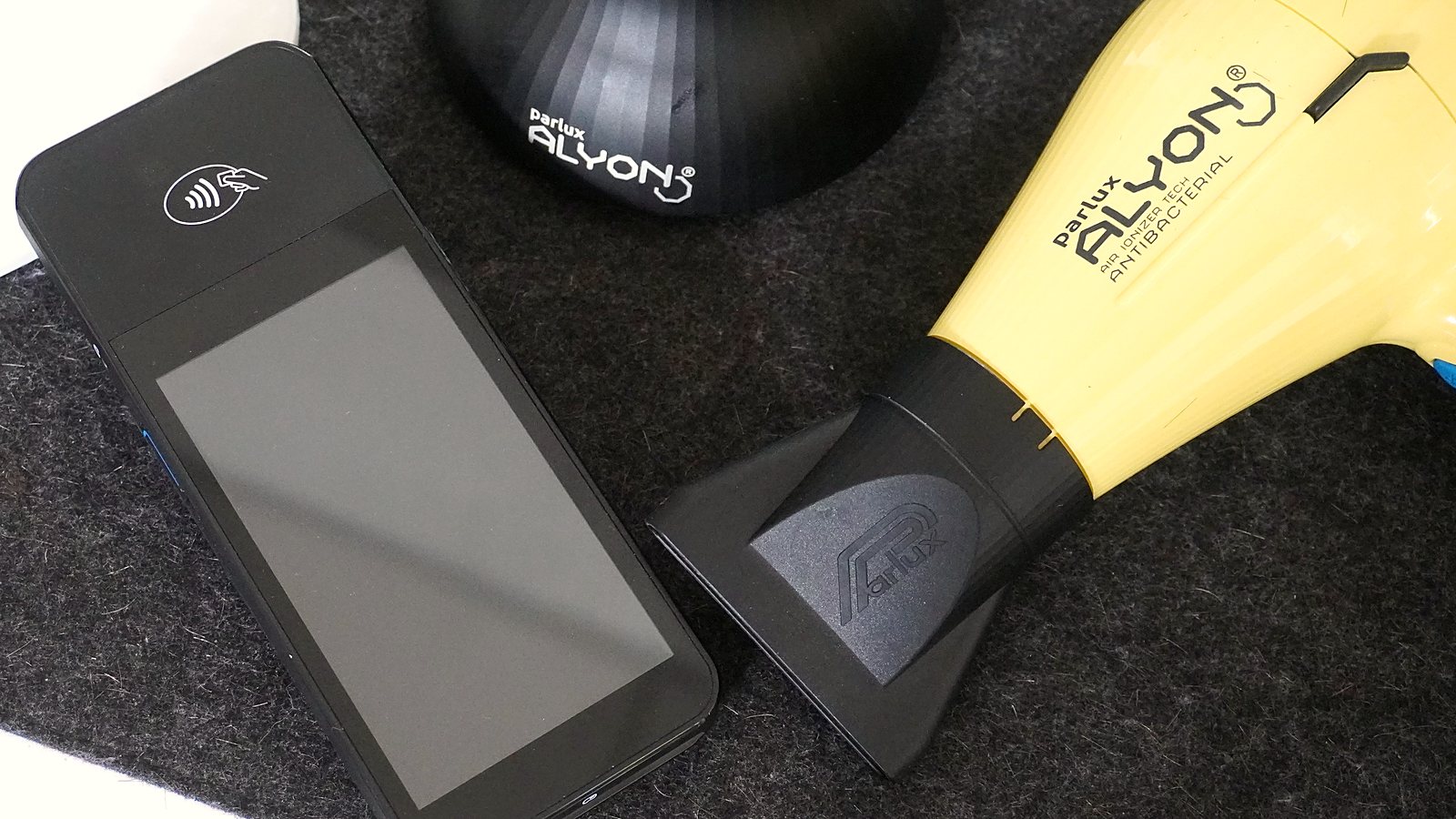
You book their follow-up appointment to keep that blonde the right tone. They’re still talking about their hair, still giggling as they tap their card on the payment terminal.
The payment goes through. You look down at the screen.
The tip section says zero.
How would you feel about that appointment?
If you would feel good about the work and what you earned, your pricing may already be doing its job. If you would spend the drive home wondering why you stayed late for that amount, it is worth looking at what you needed the tip to cover.
There is room for more than one approach. You might enjoy accepting tips. You might want to keep them as a genuinely optional thank-you. Or you might prefer to give clients one rate and take tipping off the table entirely.
At salonMonster, we are not here to choose a tipping policy for your chair. We want to help you consider the options, including what each one means for your income and the people booking with you.
When a 300 dollar service feels like 360
Consider a hypothetical client who has set aside $300 for their hair. If they believe a 20% tip is expected, they are budgeting for $360 before any applicable tax. They might be comfortable with the service price and still decide they cannot afford the visit.
That does not tell you how much they value your work. It tells you the total is beyond their budget.
You have bills too. Rent, colour, laundry, education, and the hours you spend answering messages all need to be accounted for somewhere. Caring about a client’s budget does not mean quietly absorbing costs you cannot afford.
The useful question is: what can you offer at a price that works for both of you, with no uncertainty about what they are expected to pay?

Keep taking tips if that works for you
You do not have to give up tips to run a thoughtful, transparent business. You may enjoy the extra thank-you, and your clients may enjoy giving it.
Start by looking at what you earn before gratuity. Does the service price cover the time and product involved, contribute to your overhead, and leave enough to pay yourself? Or does an appointment only become worthwhile when the client adds something extra?
If you set your own rates, that is a reason to review them. If you work on commission and do not control the menu, the conversation belongs with the person who does. Simply deciding not to mind a missing tip will not replace income you depend on.
You can also appreciate a generous tip without using it as the measure of how well an appointment went. A client who pays the agreed price has not explained their finances, customs, or feelings about your work through the tip line alone.
Make optional tips genuinely optional
You can keep accepting gratuities while setting prices that allow you to feel properly paid when the tip is zero.
If that is your policy, say it plainly. For example:
“My service prices cover my time and work. Tips are welcome, but there is no expectation to leave one.”
Then consider whether checkout supports that message. If your payment setup allows it, make paying without a tip easy. Give the same warm goodbye either way.
This option asks for some honesty with yourself. If you say tips are optional but feel short-changed every time someone skips one, you may need a different rate or a different policy. You do not have to pretend the numbers work when they do not.
Take tipping off the table
Going tipless means choosing a service price that stands on its own and telling clients you do not accept gratuities.
It does not require hourly billing. You could use a fixed service price, a session price, or an hourly rate. Decide how you charge for the appointment separately from whether you accept tips.
For a real example of one combination, The Cabinet Salon describes hourly, gratuity-free pricing, with products and techniques included in its hourly rates. That illustrates an option; it does not establish which model will work for your salon.
Before choosing your new prices, look at actual appointments: how long they took, what product they used, and what you received with and without tips. Include the work around the service and the number of appointments you can realistically take.
Adding a percentage to your old menu might be a starting calculation, but it will not fix a service that was already underpriced for the time or colour it needs.
Be clear about what the new rate covers. If extra product, additional time, or a change of plan can alter the bill, explain how and agree on the change before doing the extra work. For hourly appointments, explain billing increments and how you handle overruns before the clock starts.
Clearer pricing still needs to fit the budget
If a $300 service becomes a $360 tip-free service, a client with a $300 budget still cannot afford it. The benefit is knowing the price in advance, without another decision at checkout.
If you want to offer something within that client’s budget, discuss a smaller service or a different maintenance plan where it is appropriate. You can offer choices without promising the same amount of work for less money.
A useful consultation question is: “What total would you like us to stay within today?” Then explain what you can realistically do within it, including any applicable tax.
Ask the people who sit in your chair what has been clear or confusing about previous bills. Do not guess what a whole community wants from a few comments online, or assume someone’s age, clothes, or credit card tells you what they can spend.
Explain a change before the next appointment
Give existing clients notice of a new rate or tipping policy before they book under it. Put the information where they see prices, and repeat it during the consultation.
For a move to tip-free pricing, your wording could be:
“From [date], this service will be [price], and I will no longer accept tips. It includes [scope]. [Tax wording.] If we discuss any changes that affect the total, we will agree on those before going ahead.”
Use wording that matches your actual policy. “No tips accepted” and “tips welcome but optional” give clients different instructions.
You can keep a tipping tradition you enjoy. You can change one that leaves you anxious at checkout. Give yourself room to review the decision against your actual costs and what clients tell you.
When you look at tomorrow’s appointments, ask yourself: if every client paid the agreed price and nothing more, would I feel fairly paid for the day?
Your answer is a useful place to start.